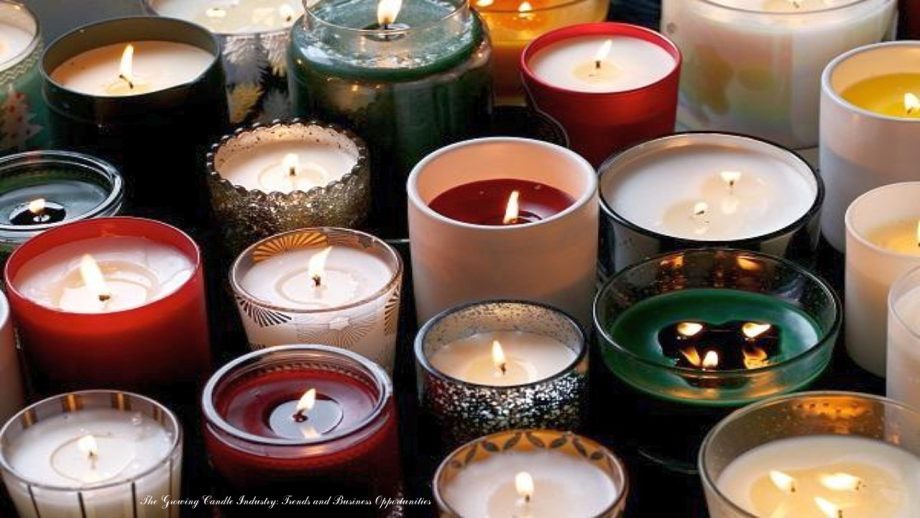
Few product categories have moved from simple household staple to lifestyle purchase as quickly as candles. What once sold mainly for utility and holiday use now appears in wellness routines, gift boxes, boutique hotel rooms, restaurant tables, and curated home décor collections. That shift has opened the door for makers, private-label suppliers, retailers, and service businesses that can pair product quality with strong branding.
That commercial appeal rests on real momentum. Forecasts differ by methodology, yet they point in the same direction: the global category is already worth billions and is expected to expand through the next decade, helped by self-care habits, premium home-fragrance demand, and digital retail growth. Broader home-fragrance research supports the same view, with scented formats projected to outpace many adjacent products.
Demand Has Expanded Far Beyond Utility
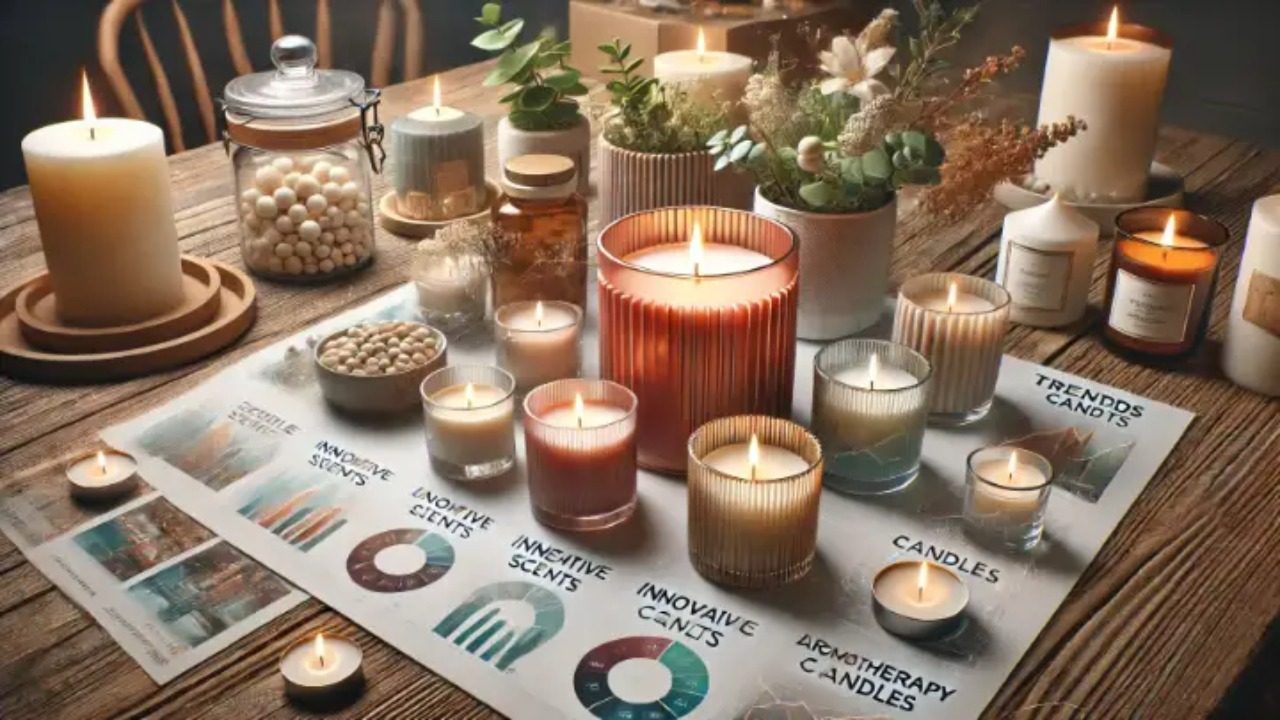
The strongest growth driver is the product’s broader role in daily life. Buyers now reach for it to shape mood, scent a room, style a shelf, finish a dinner table, or add a small luxury to an ordinary evening. That shift matters because it makes the category less dependent on one purchase motive. Grand View Research links current expansion to online shopping, at-home routines, and self-care, while IMARC highlights home ambiance, wellness trends, and rising interest in artisanal and premium-quality offerings.
Regional data also shows that this is a real business category, not a short-lived spike. Grand View Research places North America at 32.2% of 2025 revenue and identifies Asia Pacific as the fastest-growing region. Mordor Intelligence adds another useful signal: premium home-fragrance lines are growing faster than the broader segment, and online retail is expected to post the fastest channel growth through 2031. That combination gives brands two clear openings: defend strong home-market demand and build for premium growth at the same time.
Buyer Preferences Are Getting More Specific
Today’s buyer is more selective than a few years ago. Scent profile, vessel design, wax type, burn experience, and gifting value all shape the sale. IMARC points to rising demand for plant-based waxes and custom fragrance options, which signals a buyer base that wants cleaner positioning, more personal expression, and stronger aesthetic fit inside the home. That raises the standard for newer brands. A pleasant scent alone is no longer enough.
Emotion now plays a larger role in merchandising too. Etsy’s 2025 seasonal trend reporting, built on search and sales data, found strong demand for personalized and sentimental gifts, cozy home updates, and products that feel personal and story-rich. For founders and wholesalers, that matters because the winning offer often sits at the intersection of scent, design, and meaning. A product tied to a memory, a season, or a relationship usually has a stronger reason to be purchased than one built around fragrance notes alone.
Hosting culture has added another layer of demand. Etsy’s same report tied strong shopper interest to elevated entertaining, statement table settings, and hostess gifting, including a major jump in searches for table settings. That points to a practical opportunity for brands that can create dinner-party assortments, event-ready tapers, holiday bundles, and beautifully packed host gifts. Products that photograph well and fit social occasions gain an edge in both retail and content marketing.
The Best Opportunities Sit in Focused Niches

One of the clearest openings is premium everyday use. Buyers still want accessible price points, but market research shows faster growth in premium lines, which creates room for better materials, stronger vessel design, elevated fragrance blends, and more polished packaging. A smaller brand does not need to beat mass retail on volume. It can win by creating a tighter point of view and a product that feels more giftable, more display-worthy, or more aligned with a specific lifestyle.
Private-label production is another strong path. Hotels, spas, restaurants, event planners, real estate firms, and corporate gifting programs all want branded scent products that feel tailored to their image. This is where manufacturers and growing studios can move beyond one-off direct sales and build repeat B2B revenue. A well-run private-label program can produce larger order values, steadier forecasting, and lower customer acquisition pressure than pure direct-to-consumer sales.
Seasonal and occasion-based collections remain especially attractive. Holiday assortments, wedding favors, hostess gifts, subscription boxes, and limited-edition collaborations help brands lift average order value and create urgency without reinventing the whole catalog. The most effective operators treat each season like a merchandising event, with scent direction, packaging, photography, and retail outreach planned months in advance.
E-Commerce Has Lowered the Barrier to Entry but Raised the Standard
Digital selling has made it easier to launch, test, and refine a brand. Grand View Research still shows offline channels leading with 66.2% of 2025 revenue, yet Mordor Intelligence expects online retail to grow the fastest through 2031. That tells a useful story. Physical retail still matters, especially for discovery and gifting, but online channels now give smaller players a real route into the market without a national store footprint.
Still, easier entry has created tougher competition. A brand’s website, product pages, social content, reviews, photography, and post-purchase experience now carry real weight. Etsy’s Seller Handbook encourages merchants to use trend data to update inventory, improve titles and tags, and align listings with current shopping patterns. That advice applies far beyond Etsy. Digital growth now favors operators who can read demand early, package the offer clearly, and present scent products with the polish of a premium retail brand.
For that reason, strong e-commerce performance usually comes from merchandising discipline, not from flashy marketing alone. Discovery sets, gift bundles, refill options, seasonal landing pages, and content built around room mood or occasion all make the shopping decision easier. When buyers cannot smell the product first, the brand has to close the gap with sharper storytelling, better visuals, and clearer expectations.
Strong Operations Turn Interest Into Real Profit

Many new entrants focus on fragrance, packaging, and brand identity first. Those pieces matter, but profit usually comes from quieter decisions. Vessel sourcing, carton dimensions, wick performance, label durability, freight costs, lead times, and batch consistency shape margin far more than most early-stage brands expect. A business can have strong sales and weak economics at the same time if the unit structure is loose.
Seasonality makes planning even more important. Grand View Research ties category strength in part to festive demand, and Etsy’s 2025 reports highlight a long list of gift-driven and event-based shopping moments across the year. Businesses that forecast holiday peaks, event orders, housewarmings, weddings, and host gifting early are in a better position to protect margin and avoid production bottlenecks. Late planning often leads to rushed purchasing, expensive shipping, and inconsistent output.
Operational discipline also builds trust with wholesale buyers and private-label clients. They want clean timelines, consistent fill levels, dependable packaging, and clear communication. A polished sales deck may win the first conversation, but repeat business comes from reliability. The brands that last tend to treat operations as part of the product, not as a back-office task.
The Industry Still Has Room for Smart Growth
The strongest opportunities now sit where product quality meets sharp positioning. Premium home-fragrance lines are outpacing the broader segment, shoppers continue to respond to personalized and story-rich gifting, and home entertaining remains a strong merchandising theme. That creates room for focused brands serving hospitality, events, gifting, wellness, home décor, and corporate programs instead of trying to sell to everybody at once.
Omnichannel growth looks especially attractive. Offline still accounts for the larger share of sales today, yet online is growing faster. For many brands, that means the best path is not choosing one channel over the other. It is building a direct store for margin and customer data, then adding boutique retail, wholesale, pop-ups, subscription partnerships, or private-label accounts for scale. That mix spreads risk and keeps the brand visible in more buying situations.
The wider takeaway is encouraging. Major market trackers expect continued growth, and the demand drivers look durable rather than temporary. As long as consumers keep spending on comfort, gifting, self-care, and home atmosphere, this category will keep rewarding businesses that combine product discipline, good timing, and a clear brand point of view. The market is growing, but the real opportunity belongs to companies that know exactly who they serve and give those buyers a product worth returning for.