Online shoppers rarely arrive with perfect clarity. They scroll, compare, second guess, and bounce the moment the store feels like work. That is the gap a quiz solves. It turns “I’m browsing” into “I found my match” by guiding people through a simple set of questions that leads to a confident purchase.
Used well, a Product Recommendation Quiz can feel like a helpful store associate, minus the pressure. Mentioning Quizell products here matters for one reason: the best quiz experiences stay fast, on brand, and tied directly to what customers buy. When those pieces connect, a quiz stops being a gimmick and starts acting like a sales system.
Turn Browsers into Buyers With Guided Choice
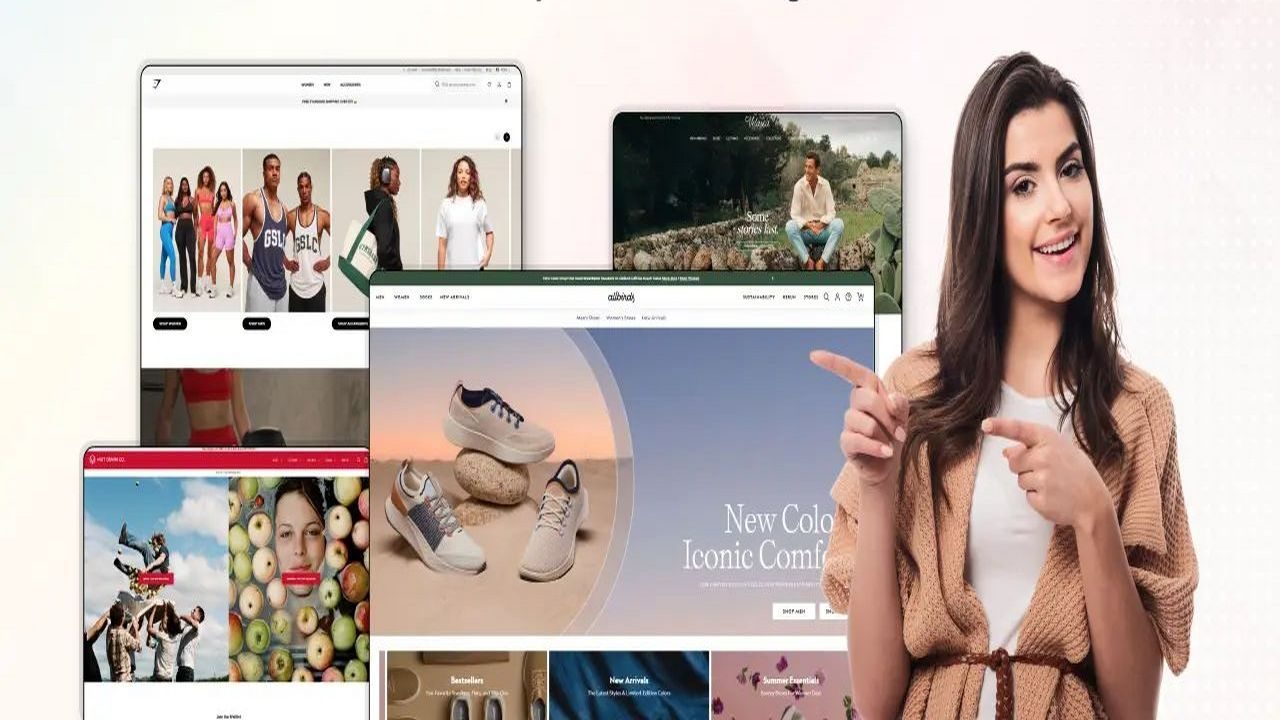
A product catalog can look impressive, yet overwhelm shoppers who do not know where to begin. A quiz reduces that overload by narrowing options with each answer. That shift matters because clarity sells. If a customer sees three relevant items instead of thirty, decision time drops and confidence rises.
The strongest quizzes feel like a conversation, not a form. Each question should remove friction and add value. Think in customer language. Ask about goals, taste, fit, constraints, and real world use. Avoid questions that sound like internal product specs. The quiz can translate those specs behind the scenes.
End the quiz with a clear result, a short reason, and a direct path to checkout. A recommendation without context feels random. A recommendation with a “why” feels personal. Personal feels trustworthy. Trust leads to action.
Increase Average Order Value with Smart Bundles and Add Ons
Quizzes can do more than pick one “best” product. They can build a cart that makes sense. When a shopper selects a base item, the quiz can recommend supporting products that solve the next problem. That is how you raise average order value without pushing irrelevant extras.
The key is logic that matches real buying behavior. Pair items that customers naturally use together. Offer a bundle option that saves money, saves time, or improves results. If you sell skincare, that might mean cleanser plus treatment plus moisturizer. If you sell coffee gear, it might mean grinder plus filters plus a starter bean set. The shopper should see a complete solution, not a shopping list.
Keep the offer clean. Give one primary recommendation, then two to four add ons at most. Too many options recreate the same overload the quiz was supposed to remove. A tight set of upgrades performs better than a crowded grid.
Improve Conversion Rates by Personalizing Product Pages
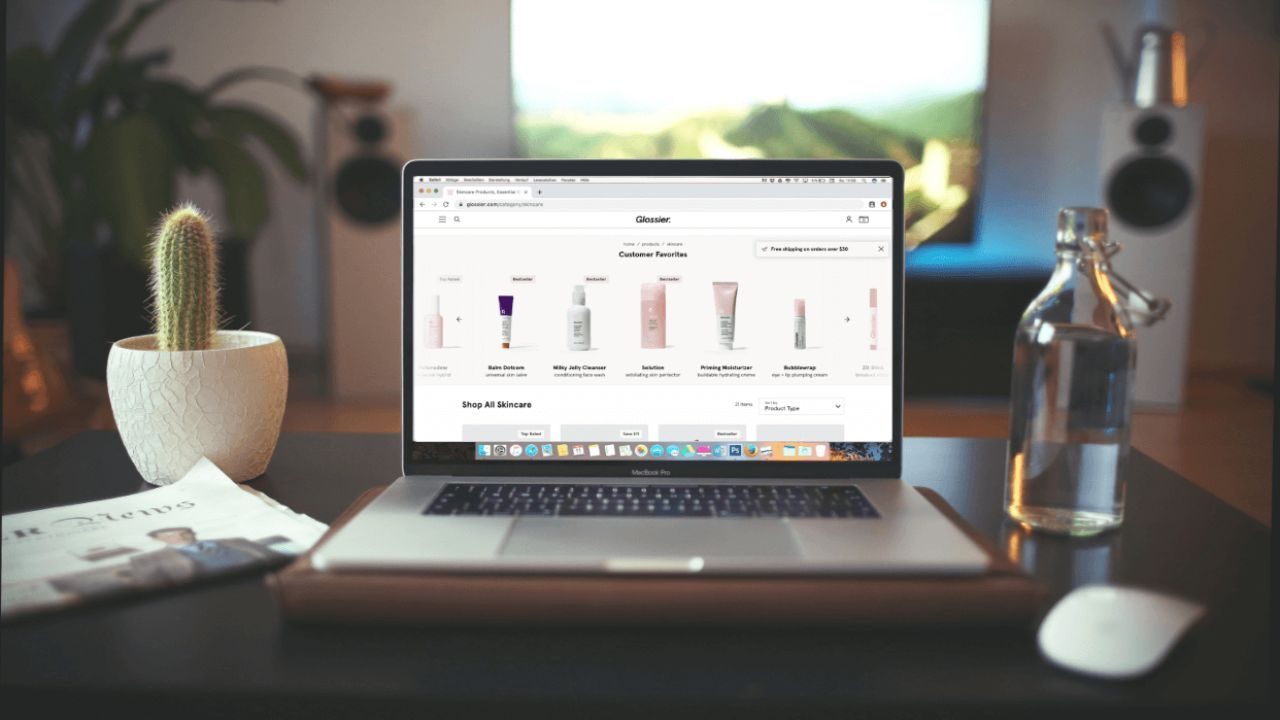
A quiz result should not end at a static “results” screen. The best setups carry the customer’s answers forward. That can mean sending the shopper to a tailored collection, a pre filtered product list, or a product page that highlights the features that match their input.
Personalization can be simple and still powerful. If the shopper said “sensitive skin,” your result page can surface the gentle formula first, highlight dermatologist tested claims, and place the soothing ingredients above the fold. If the shopper said “gift under $50,” your result can prioritize giftable packaging and shipping timelines. Each of those details reduces doubt.
This approach also improves the way customers read. People do not scan product pages like manuals. They look for confirmation. A quiz gives you the exact confirmation points to emphasize, so the page feels instantly relevant.
Capture High Intent Leads Without Killing Momentum
Not every shopper will buy on the first visit. A quiz gives you a natural moment to collect an email or SMS, but it must feel earned. The easiest way to earn it is to offer something the shopper already wants: their results, a personalized routine, a sizing guide, or a follow up recommendation list.
Place the opt-in after the value appears, not before. If you gate the quiz at the start, many people leave. If you ask for contact info right after delivering results, it feels like a fair trade. Keep the form short. One field usually wins. Two fields can work if the offer is strong.
Then use the quiz data to segment follow ups. A generic “Welcome” sequence wastes the advantage you just created. A segmented follow up can send the exact items they matched with, social proof from similar buyers, and a reminder that reinforces the “why” behind the recommendation.
Build Trust With Better Data and Better Merchandising

Quizzes create first party signals that typical Shopify analytics does not capture. You learn what shoppers want before they buy. That insight can guide merchandising, inventory, and even product development. If many customers select “lightweight” and “travel friendly,” you can feature those products more prominently and refine your messaging across the store.
Look for patterns in drop off points too. If people quit at a certain question, the question may feel confusing, too personal, or too time consuming. If many people finish but do not click a result, your recommendations may feel off. That is not a failure. It is a diagnostic tool that tells you where the experience needs tightening.
Over time, quiz data also helps you reduce returns. When shoppers buy products that fit their needs, they keep them. Lower returns protect margin and improve customer satisfaction. That affects compounds, especially for stores selling fit sensitive products like apparel, skincare, supplements, and equipment.
Launch, Test, and Optimize Without Guesswork
A quiz is not a “set it and forget it” asset. Treat it like a product page. Start with a focused version, measure performance, and improve based on real behavior. Your first goal is completion rate. If people do not finish, nothing else matters. Aim for fewer, better questions. Most stores perform well with five to eight questions.
Next, track click through on results and add to cart rates from quiz traffic. If completion is high but purchase actions stay low, adjust the recommendation logic, the result copy, or the offer structure. Small changes can shift outcomes fast. For example, rewriting a question to match customer language often increases accuracy and confidence. Adding a short “Top Pick” label can reduce hesitation.
Finally, promote the quiz in the right places. Put it where shoppers feel stuck: on collection pages, in the header, as a sticky prompt on product pages, and inside abandoned browse emails. A quiz works best when it answers a question the shopper already has. When timing matches intent, sales lift follows naturally.