
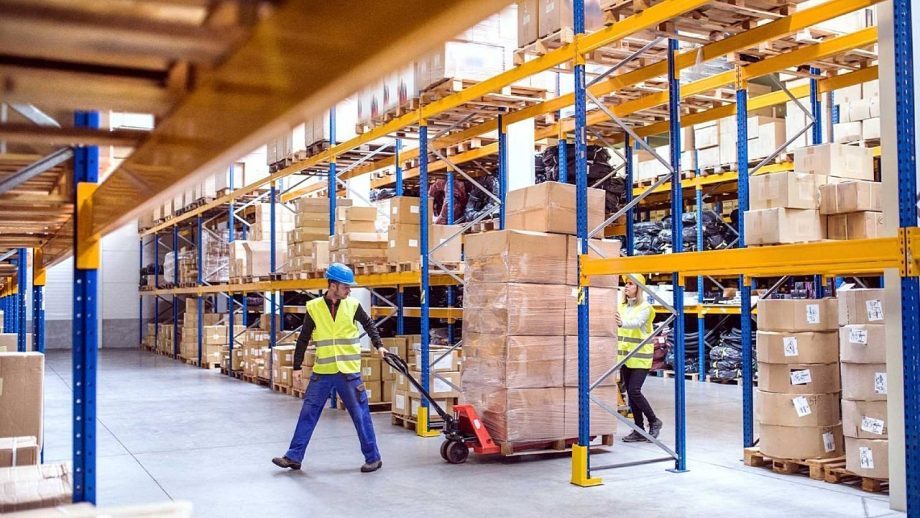
Running a specialty food business means competing on trust as much as taste. A wrong shipment (wrong item, wrong address, melted packaging on a 90-degree day) does more reputational damage than a bad review. Customers buying artisanal cookies, specialty teas, or small-batch hot sauces expect the order to arrive exactly as placed. Most won’t file a complaint before leaving; they’ll just stop buying. That’s why a growing number of food brands are prioritizing reducing shipping errors with automation before their order volume outgrows what good intentions alone can handle.
The tools have become genuinely accessible to operators without a warehouse manager or a logistics team. Shipping platforms built for ecommerce handle address validation, label accuracy, and carrier selection without requiring someone to cross-reference a spreadsheet against an order queue. One option gaining traction in the food and specialty goods space is the Shipduo shipping platform, which helps sellers match the right carrier and correct shipping info to each order automatically. For a small brand shipping a few hundred orders a week, that kind of precision is the difference between a loyal repeat customer and a refund request.
The Real Cost of a Wrong Shipment
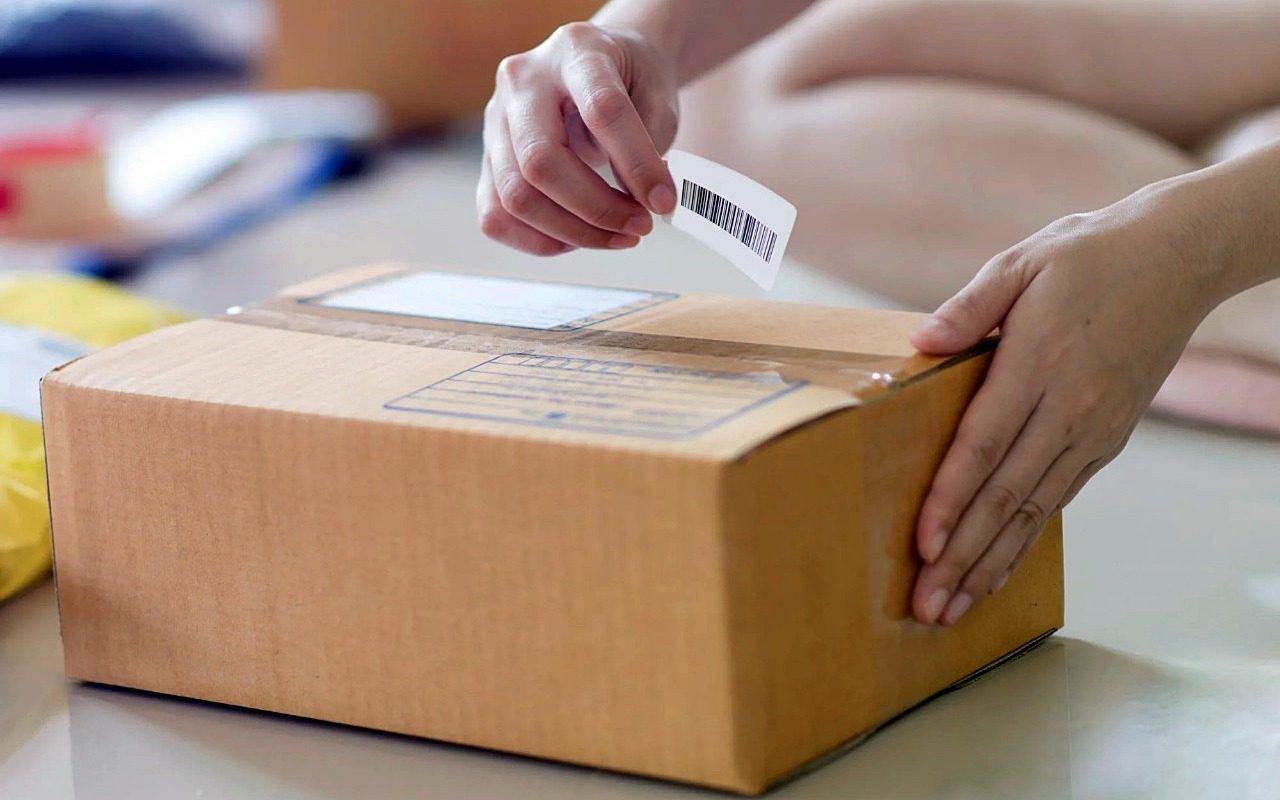
Shipping errors aren’t just a customer service inconvenience. They eat margin in ways that compound fast. A returned order means refunding the sale, absorbing the return label cost, and likely writing off the product if it’s perishable. For a box of specialty cookies or a batch of flavored olive oil, there’s often nothing to put back on the shelf.
Federal consumer protection law is specific on this: if an online seller doesn’t deliver within the timeframe promised (or within 30 days if no timeframe is stated), buyers have the right to cancel and receive a full refund. The FTC’s Prompt Delivery Rule has applied to internet sales since 1994, and it carries real enforcement teeth. An order that ships to the wrong address isn’t just an unhappy customer. It’s a delayed refund obligation, a chargeback risk, and a potential repeat offender flag with your payment processor.
The data side is harder to track but real. Every incorrect shipment represents a customer who may not complain but will churn. In subscription-driven food businesses, where retention is the whole model, one bad month of fulfillment mistakes can move the churn rate in ways that take quarters to recover.
Where Errors Get Into the Pipeline

The most common mistake in food order fulfillment isn’t picking the wrong product. It’s a much quieter problem: a label printed with a transposed digit in the zip code, or an address that was entered manually by a customer and then re-entered manually by a packer. Every hand-off where a human types the same information a second time is a place where the error rate rises.
Some operations run into trouble at the SKU level, especially as product lines grow. What starts as a shop with three cookie varieties expands to fifteen, with seasonal variants, gift sizes, and holiday tins. A picker relying on visual recognition alone across that range will eventually grab the wrong SKU. The accuracy problem is less about carelessness and more about the volume of near-identical decisions made daily under time pressure.
The fix at this stage doesn’t require a full warehouse automation overhaul. Barcode verification at the pick stage and system-generated labels (rather than manual reprinting) close most of the gap. Both are standard features in modern shipping automation software, and most can be set up without dedicated IT support.
Address Validation Deserves More Attention Than It Gets
Address quality is a specific problem in direct-to-consumer food shipping that most small operators underestimate. Apartment numbers get dropped. Street names get abbreviated inconsistently. Rural route addresses that are valid for USPS but flagged as undeliverable by UPS create problems when a seller isn’t using a platform that normalizes carrier expectations.
Most shipping automation tools run addresses through a USPS database check before generating a label. This catches a significant share of problems: misspellings, missing unit numbers, ZIP code corrections. What it doesn’t catch is an address that is formally valid but actually wrong, because the customer made a typo that still resolves to a deliverable location. That’s rarer, but it happens.
The practical step is to require address confirmation at checkout and use a platform that highlights discrepancies before the label prints. Catching the problem when the order is still in the queue costs nothing. Catching it after the label is on the box costs the price of a reshipment, at minimum. That math is obvious once you’ve paid it; the goal is to not have to.
What Automation Looks Like for a Mid-Volume Food Brand
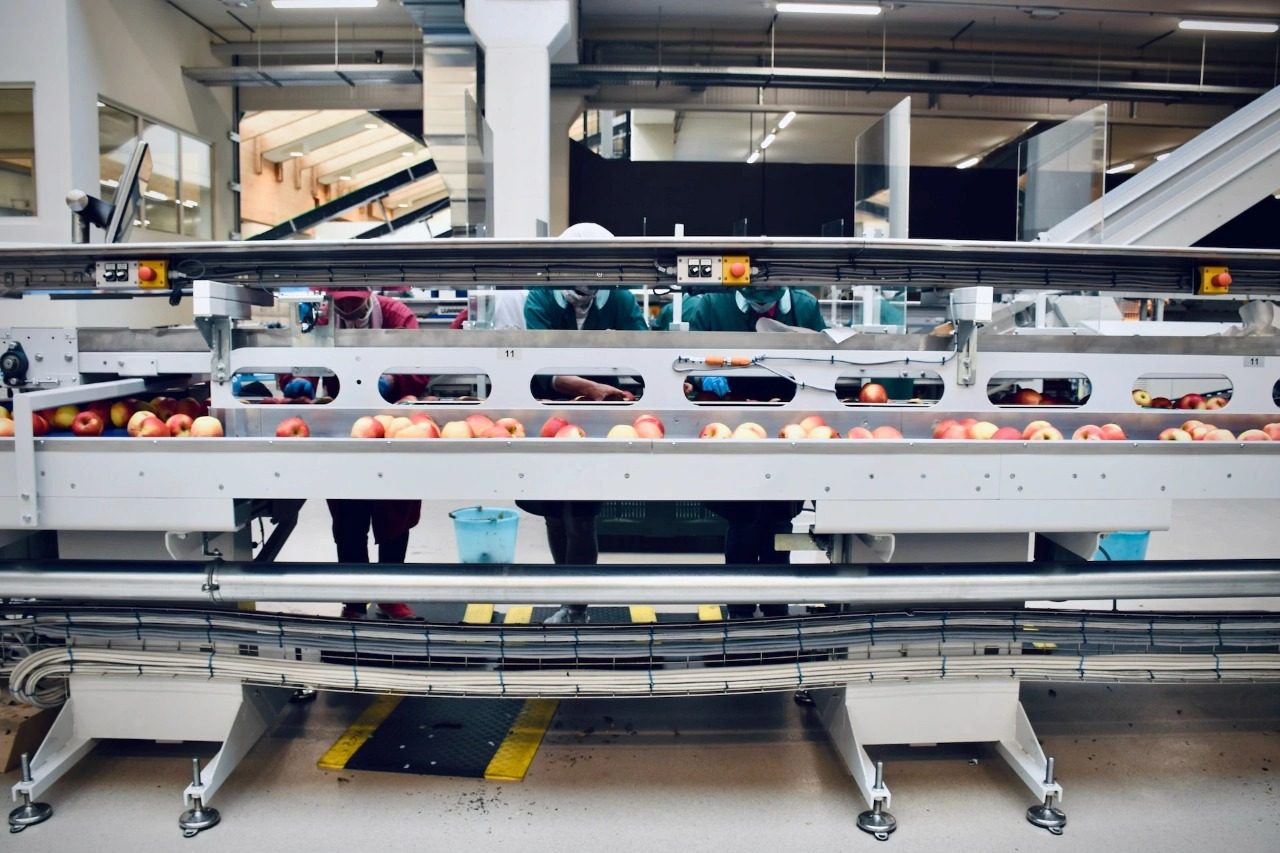
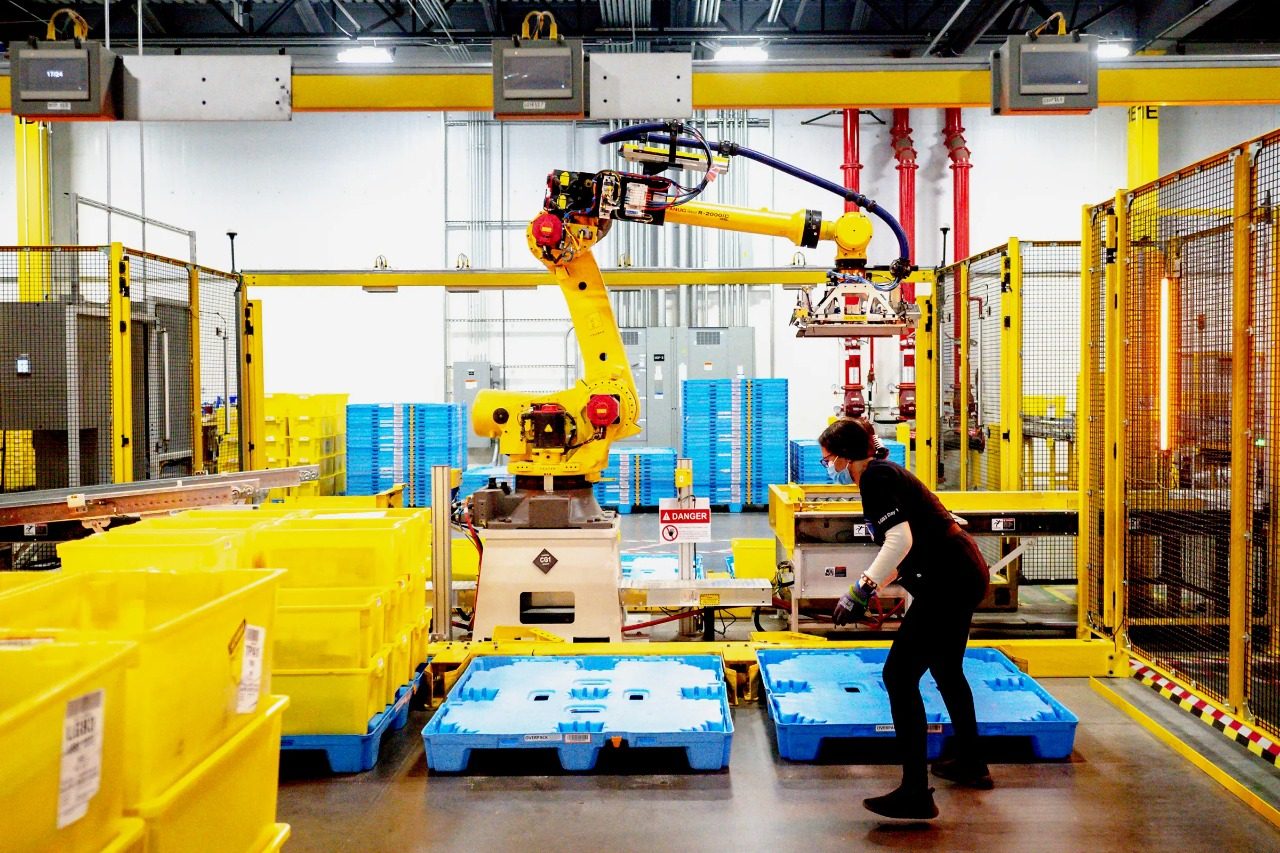
At modest scale, full warehouse automation isn’t a realistic investment. You’re not putting in conveyor systems or robotic pickers. What makes sense at the 100-to-500-orders-per-week level is software-level automation: rules-based carrier selection, auto-populated labels from order data, and batch processing that eliminates the one-order-at-a-time export to a carrier’s website.
The U.S. Small Business Administration has recognized supply chain accuracy as a real constraint for growing businesses, recently funding the SCALE program with $9 million in grants specifically for small businesses addressing supply chain gaps. That kind of federal attention reflects something the food industry already knows from experience: getting the order right consistently is harder than it looks, and the cost of getting it wrong is real.
For food brands, the carrier selection piece matters more than in other product categories. A candle or a coffee mug ships the same year-round. A chocolate truffle does not. Automation rules that route temperature-sensitive orders to cold-chain carriers, or that flag summer shipments over certain transit times for review, are the kind of thing a manual process can’t reliably do at volume.
Building the Habit of Accuracy Before You Need To
Most food brands add shipping automation reactively: after a wave of complaints, after a holiday season that went sideways, after a refund month that showed up on the P&L in a way that was hard to explain. The smarter timing is earlier, when errors are still small enough to fix individually.
At 100 orders a week, you know the customers. You can hand-write an apology note and reship without it killing the month. At 500 orders a week, the same error rate produces five times the refund volume, and you probably don’t know the customers personally anymore. The window between “manageable” and “operationally damaging” closes faster than most founders expect.
The other thing that gets harder to change at scale is process. A team that has packed 1,000 orders one way is resistant to changing the workflow, even when that workflow has a known accuracy problem. Building the habit of barcode verification and system-generated labels when the team is three people is easier than retrofitting it onto a team of fifteen. Shipping accuracy, like most operational things, is much cheaper to build in early than to fix later.