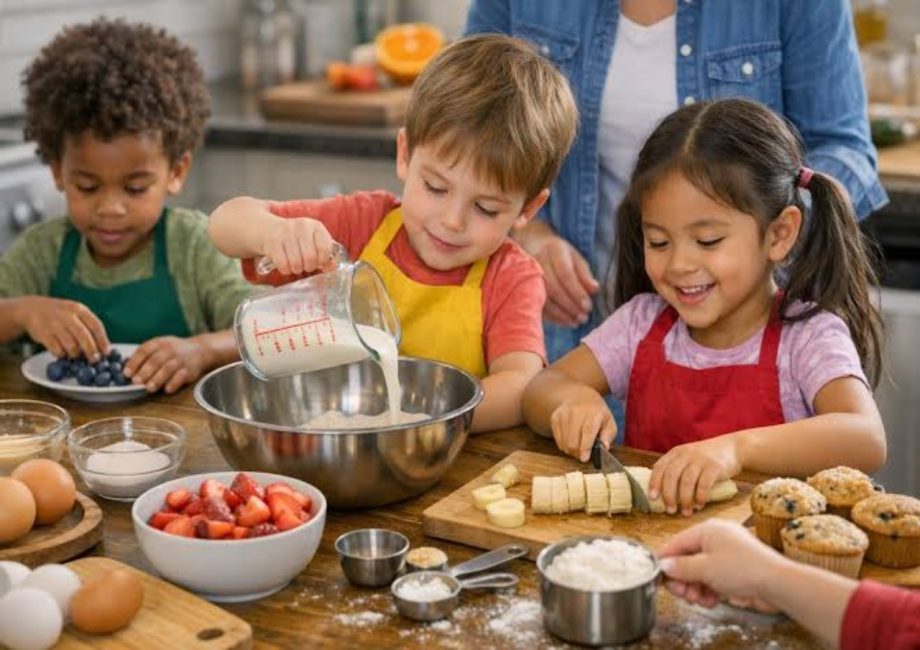
Before a child formally learns about fractions, they’ve probably already poured half a cup of milk into a bowl or watched someone cut a pizza into eight equal slices. The kitchen is full of embedded mathematics: ratios, measurement, elapsed time, geometric reasoning about whether the cake will fit the pan. Most of it arrives through ordinary experience, not instruction. Children who engage regularly with informal numeracy at home tend to develop stronger applied math skills by the time they start school, and the evidence behind that isn’t just anecdotal.
The question most parents eventually reach isn’t whether the kitchen teaches math, but how to be more intentional about it without turning dinner prep into something that feels like homework. That balance is worth thinking through, because the moment cooking becomes a formal lesson, some of the low-stakes exploratory quality that makes it effective disappears. The approach that works best involves keeping the cooking genuine while finding moments to ask questions or let kids work through a measurement problem themselves rather than solving it for them.
Why the Kitchen Works as a Classroom
Classrooms are set up for predictability. Teachers control the pace, the complexity of problems, and when a concept gets introduced. A kitchen operates differently; the math problems emerge from what the recipe actually requires, which means they’re concrete and the stakes are real. If the measurement is wrong, the bread doesn’t rise. If the timer is ignored, the cookies burn. That immediacy changes how kids relate to a problem in ways that worksheets rarely manage.
A 2022 study from the National Institutes of Health found that frequency of number-related play at home, including informal cooking activities, predicted children’s ability to solve applied math problems at age five, even after controlling for earlier math ability and socioeconomic factors. That’s not a trivial finding. The home environment contributes something over and above what school instruction provides, and cooking is one of the more reliable ways to create that environment without any special materials.
What this looks like varies by age. With a six-year-old, it might mean counting ingredients or sorting by size. With a ten-year-old, it might mean scaling a recipe by 1.5x, which requires multiplication, fractions, and real-world estimation. The best approach is tailored learning: meeting the child at their current level rather than presenting math at a fixed difficulty and hoping it sticks.
Measurement: More Than Just Cups and Spoons
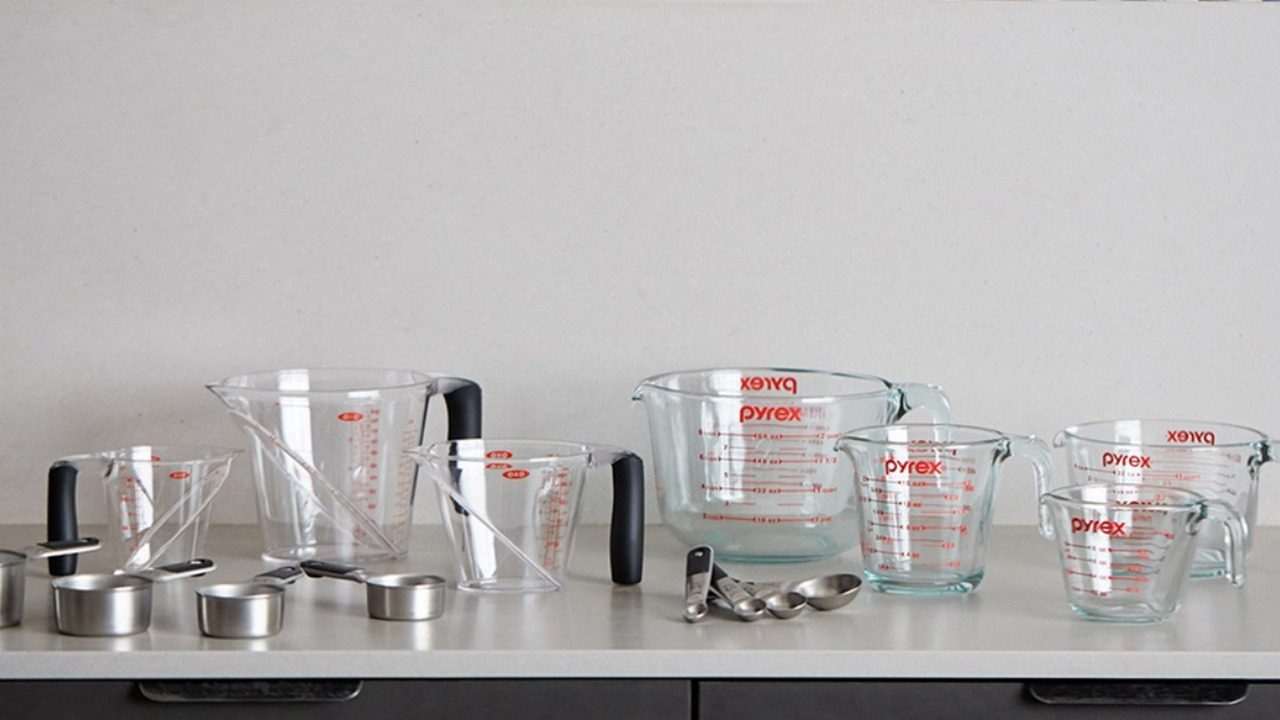
The most obvious math in any kitchen is measurement, but it’s worth being specific about what kids actually learn when they do it. Filling a quarter-cup scoop four times to get one cup is a demonstration of multiplication. Figuring out how many tablespoons make half a cup is division. Asking a child to measure two-thirds of a cup using a one-third cup measure is a fraction problem that can genuinely stump a third grader who hasn’t encountered it in context.
Baking is especially demanding because the tolerances are tighter than savory cooking. Too much flour in a cake batter has immediate, obvious consequences, which means the feedback loop is fast and unambiguous. Kids who bake regularly develop a physical intuition for volume and weight that’s harder to build through abstract exercises. They know from experience roughly how much a cup of flour should look and feel like, and that knowledge doesn’t vanish when the measuring cup is put away.
A practical move worth trying: when a recipe calls for three-quarters of a cup of something, ask the child to figure out how to measure it using a half-cup and a quarter-cup rather than pulling out the three-quarter-cup scoop. This bridges kitchen knowledge and classroom math without making the cooking feel secondary to the lesson.
Ratios, Scaling, and the Algebra Hidden in Recipes
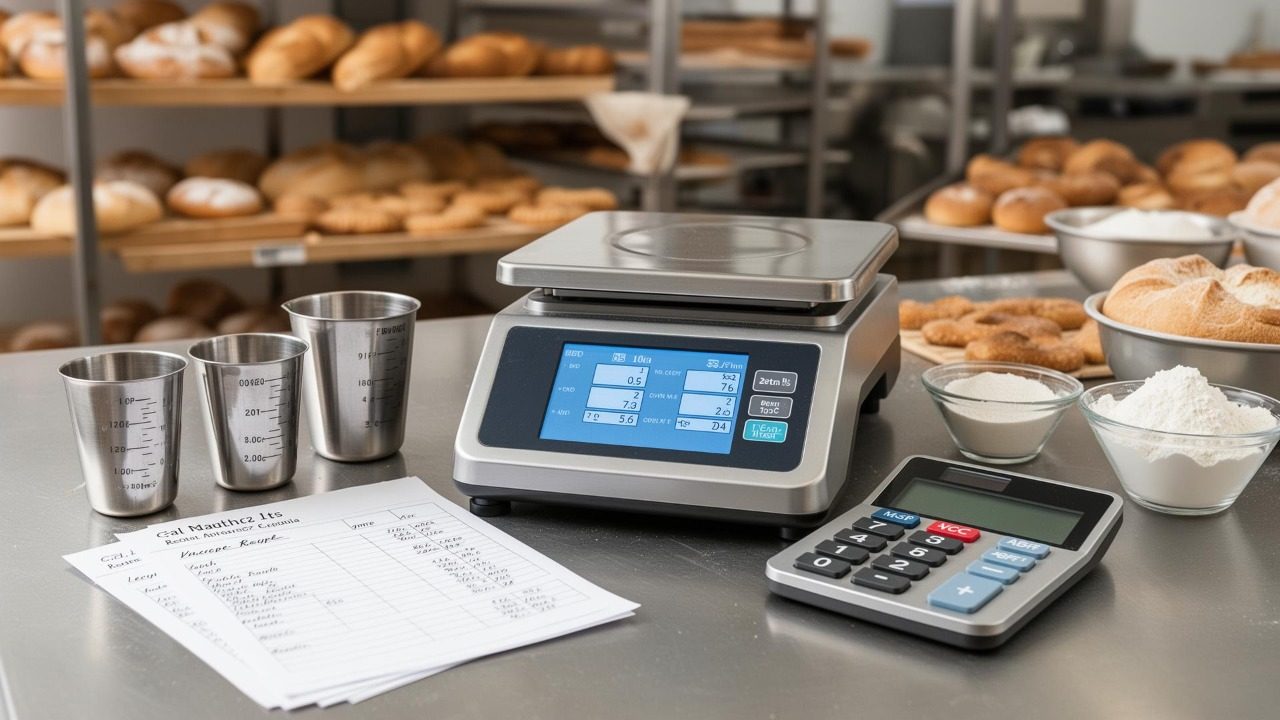
Most recipes are, at their core, a set of ratios. Bread dough relies on a flour-to-water ratio. Vinaigrette is a ratio of oil to acid. Spice blends work the same way. When a child understands that a recipe “works” because of proportional relationships, not just because those are the amounts listed, they’ve grasped something that formal algebra instruction often struggles to convey until middle school.
Scaling a recipe is the cleaner classroom exercise. Ask a kid to double a recipe and you get multiplication. Ask them to make three-quarters of a recipe and you’ve introduced proportional reasoning. Ask them to figure out how much of each ingredient they’d need to feed 30 people instead of 6, and you’ve stumbled into ratio tables and unit rates, which are sixth-grade math standards in most curricula.
Even a standard recipe card is enough to pose meaningful questions. “If we use 2 cups of flour for 12 cookies, how many cups do we need for 18?” That’s a problem a child can work through with pencil and paper, and getting it right has an immediate, edible payoff. The concreteness of the result makes the math feel purposeful in a way that abstract exercises rarely do.
Timing, Temperature, and Reading Data in Context

A recipe is also a lesson in data interpretation. It tells you when to set a timer, what temperature to use, how long to rest a roast before cutting it. Following one correctly requires reading instructions in sequence, sometimes converting between units, and making judgment calls about when “golden brown” actually means golden brown rather than pale or overdone. Temperature opens particularly interesting problems for older kids. Butter melts around 90°F. Sugar doesn’t caramelize until 320°F. Why the difference, and why does it matter for what you’re making?
Letting children manage the sequence of steps in a multi-component meal is worth more than it looks. Following a recipe that has three things finishing at the same time requires backwards planning: if the pasta takes 10 minutes and the sauce needs 20, you start the sauce first. That’s scheduling logic, applied mathematics disguised as dinner prep, and it builds organizational thinking that transfers across school subjects.
Making It Consistent Without Making It a Chore
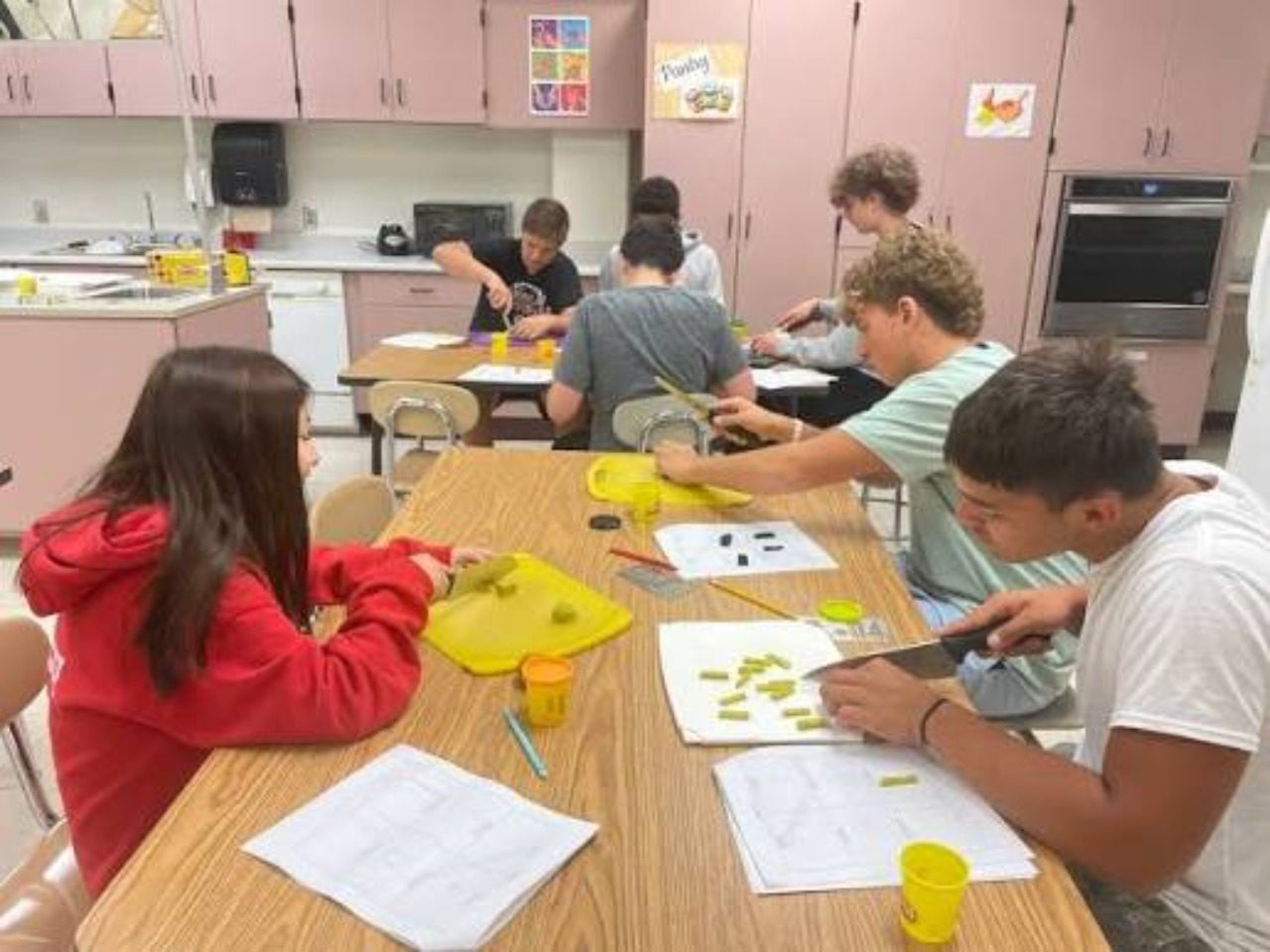
The biggest risk with intentional kitchen math is overloading it. If every moment at the stove becomes a word problem, the cooking stops being fun and the learning stops being incidental, and the incidental quality is much of what makes it effective in the first place. The most productive version of this is probably two or three pointed questions per cooking session, not a running commentary on every measurement decision.
Consistency matters more than intensity. A child who cooks with a parent three or four times a week will develop more robust number sense over a year than a child who does one elaborate cooking-math project per month. The Institute of Education Sciences has documented this in resources specifically for families: everyday numeracy embedded in cooking and home routines is a key lever for closing early mathematics gaps, and it doesn’t require any specialized curriculum.
Asking “how many eggs are left in the carton?” while making an omelette is more effective than sitting a child down to explain egg counting. The kitchen is already doing the heavy lifting. The task for parents is mostly to notice what’s there and ask a question when the moment is right.