
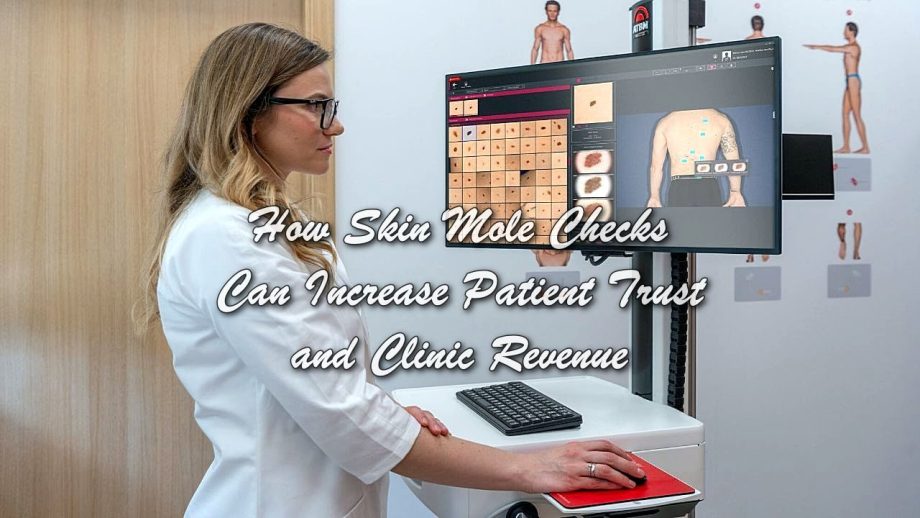
Patients rarely book a mole evaluation because they feel curious. Most arrive with a quiet fear in the background. A spot changed. A partner noticed a dark patch. A friend received a scary diagnosis. In that moment, trust does not come from a friendly lobby or a fast appointment. Trust comes from clinical confidence, clear communication, and a plan that feels tailored to the person in the room.
Clinics that deliver that experience consistently tend to see two outcomes at once. Patients return and they refer. Revenue grows in a way that stays aligned with good medicine because the visit creates a long-term relationship, not a one-time transaction.
Why Mole Checks Create Trust Faster Than Most Visits

When someone searches for a dermatologist in Singapore, they often compare more than credentials. They compare signals of safety, thoroughness, and follow-through. A well-run skin mole check answers those needs in a single visit because it turns uncertainty into structured next steps and leaves little room for vague reassurance.
That trust lifts the perceived quality of the clinic across every service line. Patients remember how the team handled something serious. They recall the calm explanation, the careful documentation, and the direct plan. The same patient who came in for a concerning mole may later book acne care, eczema management, scar treatments, or cosmetic services because the clinic proved it takes details seriously.
A strong mole visit also reduces the “second opinion” reflex. When patients feel they received a complete evaluation, they stop shopping around. They commit. That commitment raises retention and increases the lifetime value of each new patient without relying on aggressive sales tactics.
The Patient Experience That Makes People Come Back
Patients judge the visit in small moments. The intake form feels relevant or generic. The clinician explains what comes next or rushes to an ending. The clinic offers privacy, respectful draping, and clear consent for photos, or it creates awkwardness that patients never forget. These details shape trust as much as the exam itself.
High-trust clinics make the visit feel organized. They set expectations upfront, such as how long the exam takes, what clothing changes help, and when a biopsy makes sense. They also name what “normal” looks like. Patients feel relief when the clinician explains why a spot looks benign and what changes would trigger a recheck.
The visit should end with a recap that patients can repeat to a spouse later that day. A short written summary in the portal helps. A simple monitoring plan helps more. Patients who leave with clarity tend to comply with follow-ups, and they tend to recommend the clinic when friends ask, “Where did you go?”
Clinical Rigor Patients Can See and Feel
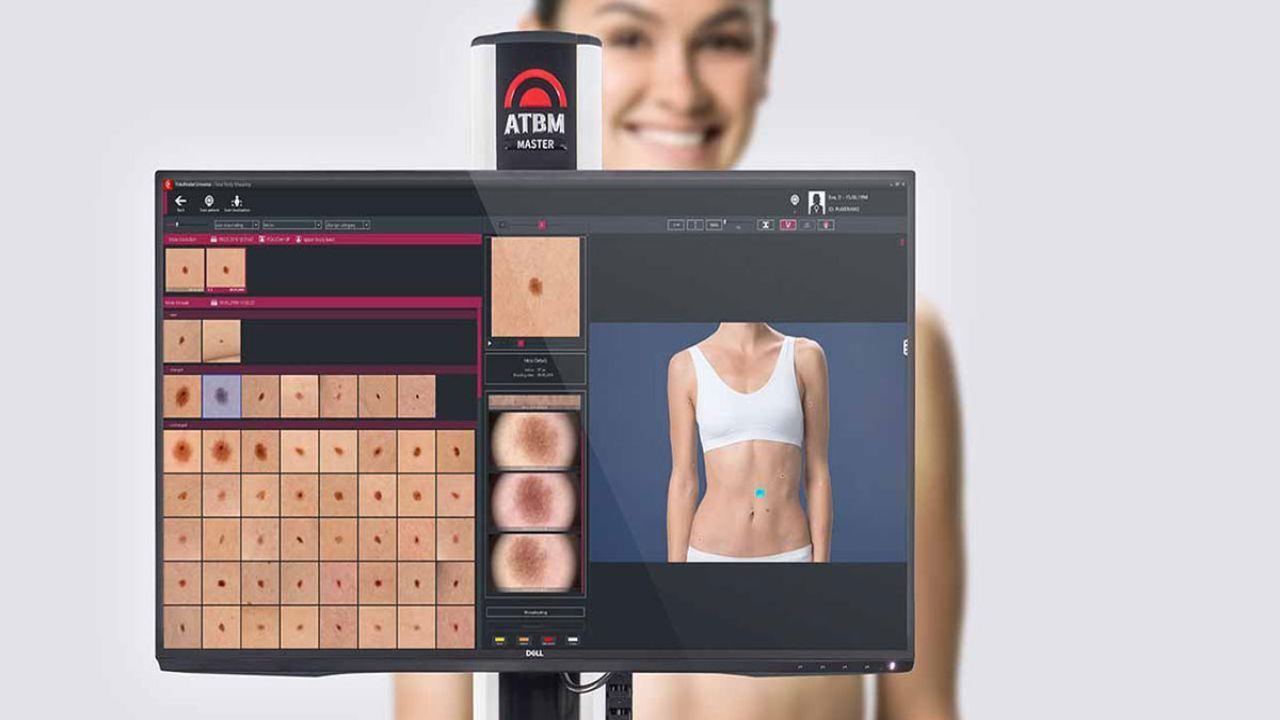
A mole evaluation earns trust when it runs on a repeatable method. Many clinicians use the ABCDE rule to explain suspicious features, which gives patients a practical way to monitor changes between visits.
Dermoscopy often strengthens that rigor because it adds detail beyond the naked-eye exam. Evidence reviews and clinical summaries have found that dermoscopy, used in-person by trained clinicians, can improve diagnostic performance compared with visual inspection alone. Patients do not need a lecture on sensitivity and specificity to feel the difference. They noticed the clinician took time, used tools intentionally, and documented findings carefully.
Documentation matters for trust and for continuity. When the clinician records lesion location, size, appearance, and evolution, the next visit becomes a comparison, not a restart. That continuity reduces anxiety and supports better decisions around monitoring versus biopsy.
Turning a One-Time Concern Into Long-Term Preventive Care
A clinic can treat mole checks as episodic, or it can build a preventive program that patients value. The preventive approach works best when it uses risk-based follow-up. Some patients need only occasional reviews. Others have a history of skin cancer, many atypical moles, heavy sun exposure, or family risk. Those patients benefit from a clearer schedule and easier access for quick rechecks.
It also helps to communicate screening nuances honestly. The U.S. The Preventive Services Task Force has found insufficient evidence to recommend routine population-wide visual skin exams for skin cancer screening in asymptomatic adults, which pushes clinicians toward individualized decision-making and risk-based care. That transparency can increase trust because patients hear a balanced message rather than a blanket promise.
A strong program adds frictionless follow-up. Think reminder workflows, portal messaging for a changing spot, and a fast pathway for suspicious changes. When patients know the clinic will respond quickly if something evolves, they stay loyal.
Revenue Growth That Stays Ethical and Sustainable

A mole-check program can lift revenue without turning the clinic into a sales floor. The simplest driver is patient acquisition. Skin concerns rank high in urgency, so they bring in new patients who might never have booked a “routine dermatology visit.” When the clinic handles that first touchpoint well, it earns repeat visits and family referrals.
Next comes appropriate downstream care. Some findings lead to short-interval follow-ups. Others lead to biopsy or lesion removal when clinically indicated. When the clinic explains reasoning clearly, patients accept recommended care with less hesitation and fewer cancellations. That stability supports scheduling efficiency and predictable capacity.
Finally, trust creates openness. Patients who feel safe often ask about other issues they ignored for years, such as chronic rashes, acne scarring, sun damage, or cosmetic concerns. The clinic does not need to push. Patients pull those conversations forward once they believe the clinician’s judgment.
How To Build a Mole-Check System That Performs
Start with consistency. Create a standard exam flow, a documentation template, and clear criteria for urgent follow-up. Train staff to set expectations during scheduling and intake so the visit runs smoothly. Equip clinicians with the tools and time needed for careful evaluation, including dermoscopy when appropriate.
Then strengthen the “after” experience. Provide an easy-to-read plan in the patient portal. Offer guidance for self-monitoring with simple red flags, such as ABCDE changes or a new spot that looks different from the rest. Make it easy to return quickly when changes occur.
Last, measure what matters. Track rebooking rates, follow-up adherence, referral sources, and time-to-appointment for changing lesions. Those operational signals reveal trust in real numbers. When the clinic improves those metrics, revenue tends to follow naturally because patients stay, comply, and refer.