
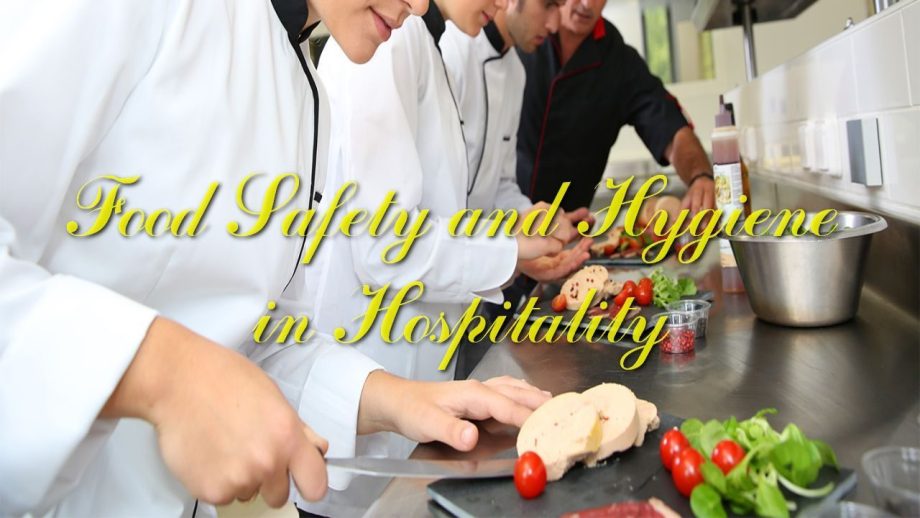
Food safety and hygiene are pillars of the hospitality industry, ensuring guests enjoy delicious meals and safe dining experiences. From bustling hotel kitchens to charming bistros, every establishment must uphold rigorous standards to protect patrons’ health and enhance their dining experiences.
The Importance of Training and Education
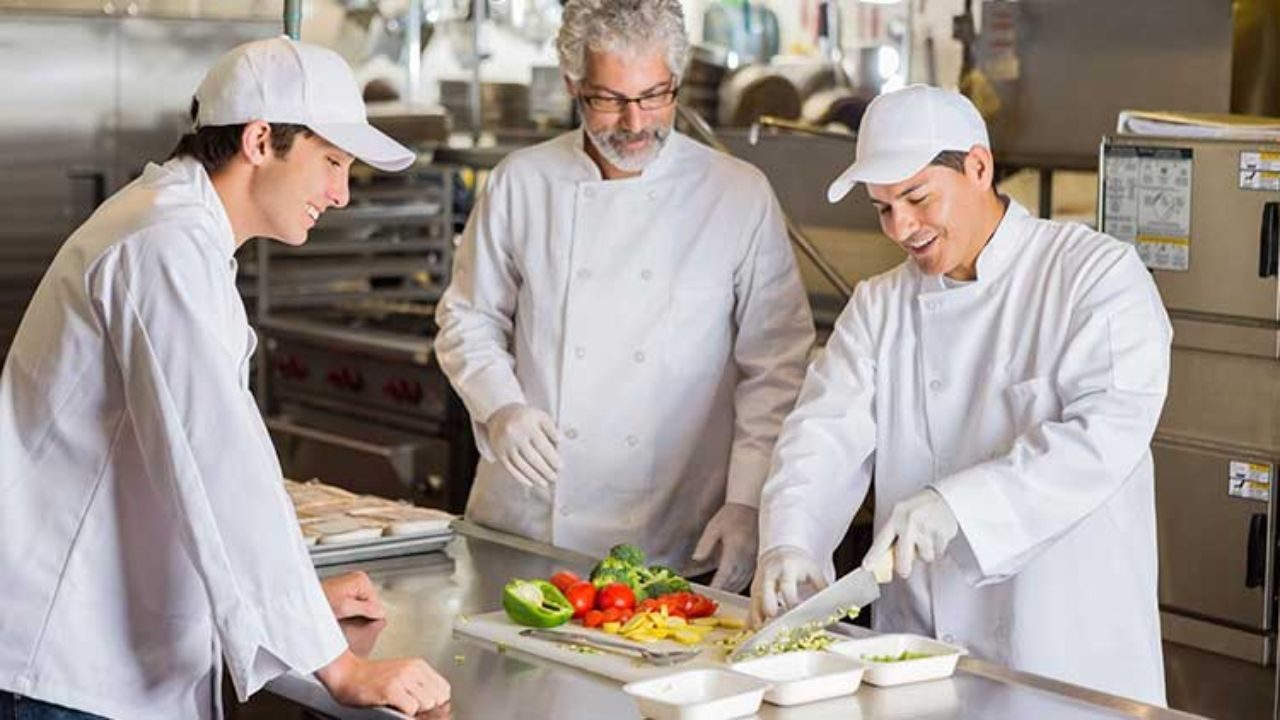
Staff training plays a vital role in food safety and hygiene. Employees need to understand proper food handling, storage, and preparation techniques. Regular training sessions can refresh their knowledge and keep them updated on new regulations. Including hospitality cleaning protocols in these sessions ensures that employees know how to maintain a clean and safe environment. Well-informed staff are the first line of defense against foodborne illnesses, making education a key component in any food service operation.
Cleanliness in the Kitchen
A clean kitchen is the cornerstone of any reputable restaurant or hotel dining area. This involves more than just wiping down surfaces; it requires a systematic approach to cleaning and sanitation. Using the right cleaning agents, sanitizing utensils and equipment, and ensuring proper waste disposal can prevent contamination. Regular inspections and checklists help maintain these standards consistently, reducing the risk of foodborne illnesses.
Safe Food Storage and Handling

Proper food storage is essential in preventing spoilage and contamination. Restaurants must store ingredients at appropriate temperatures and separate raw and cooked foods to avoid cross-contamination. Clear labeling and rotating stock ensure that older items are used first, minimizing waste and keeping ingredients fresh. Handling food with clean utensils and gloves also plays a critical role in maintaining hygiene.
Customer Awareness and Engagement
Guests also play a part in food safety. Providing information about allergens and dietary restrictions on menus helps customers make informed choices. Encouraging feedback on food quality and cleanliness can offer valuable insights into areas needing improvement. When customers see that an establishment values their health and well-being, it builds trust and loyalty.
Regular Audits and Compliance
Regular audits by health inspectors ensure that hospitality businesses comply with food safety regulations. These inspections check everything from kitchen cleanliness to proper food storage and staff hygiene. Businesses should welcome these audits as opportunities to improve their practices. Staying compliant avoids legal issues and boosts the establishment’s reputation for maintaining high safety standards.
Technological Advancements in Food Safety
Incorporating technology can significantly enhance food safety and hygiene in hospitality. Digital thermometers, for instance, ensure precise temperature control, while automated inventory systems help track stock levels and expiration dates more efficiently. Additionally, food safety management software can streamline the process of monitoring and documenting compliance with health regulations. These technological tools reduce human error and also provide real-time data that can be used to make informed decisions, ultimately contributing to a safer and more hygienic dining environment.
https://www.youtube.com/watch?v=QI2EOOuFbTo&ab_channel=SilverlineCreations
In conclusion, food safety and hygiene are fundamental to the success of any hospitality business. By focusing on training, cleanliness, proper food handling, customer engagement, and regular audits, establishments can create a safe and enjoyable dining environment. This commitment to high standards not only protects patrons but also enhances the overall reputation of the business.